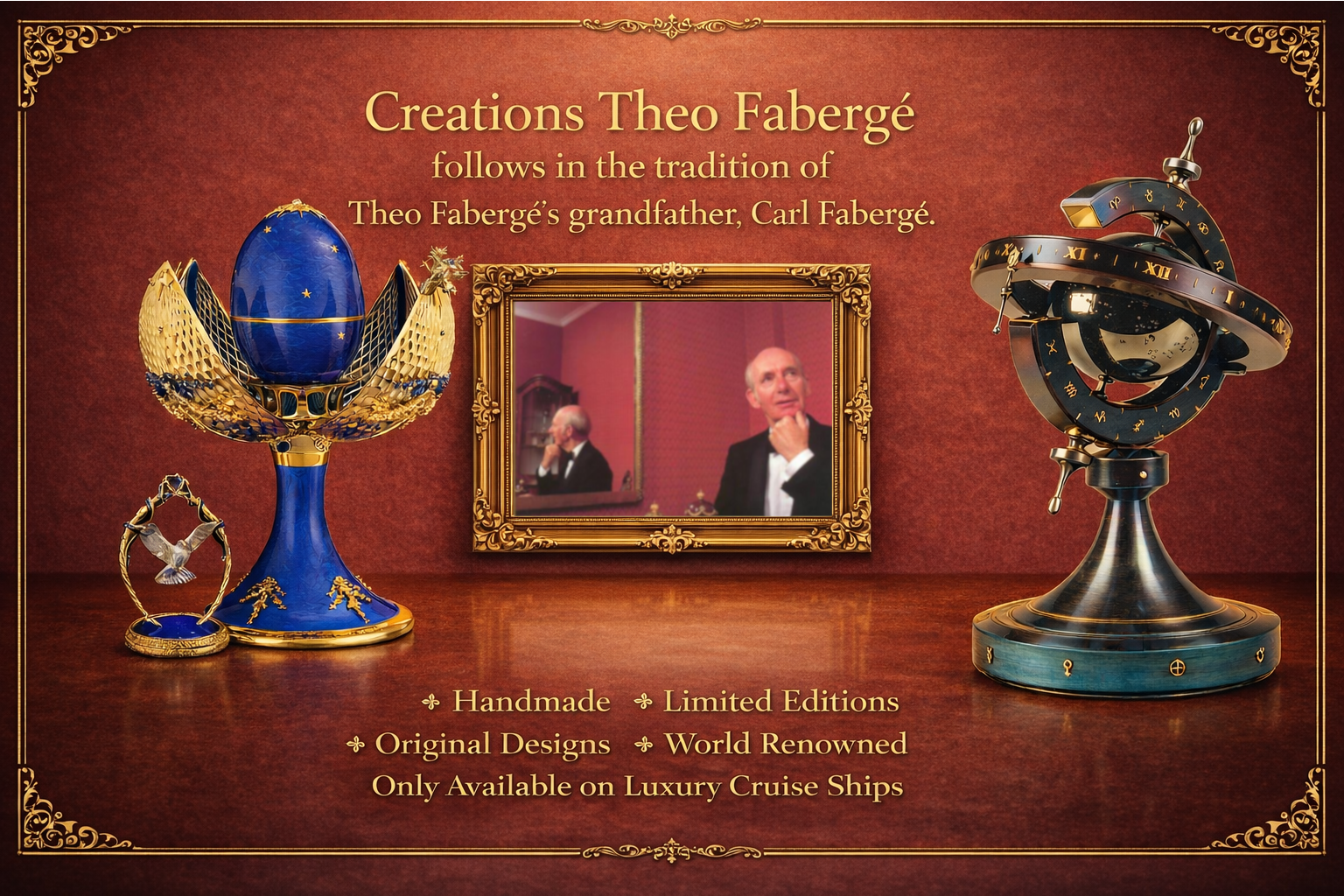

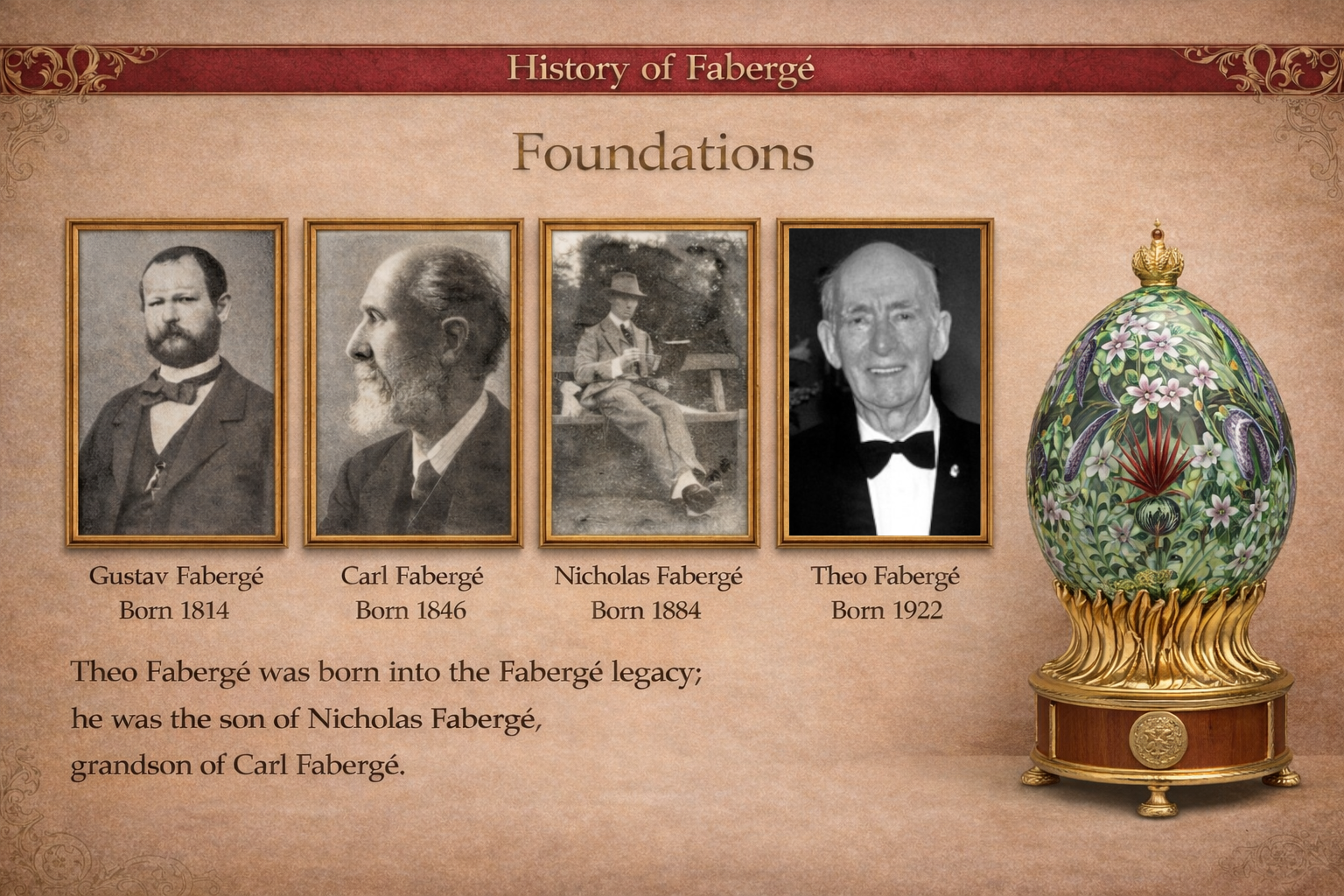
Gustav Fabergé founded the jewellery firm Fabergé in 1842 in the former capital, St Petersburg. After the closure of the business in 1917, Carl Fabergé relocated overseas, and his grandson, Theo Fabergé, was born in London in 1922.
The Fabergé family is French by origin. Their home had been the village of La Bouteille in the Picardy region of North-Eastern France. They were Huguenots in a predominantly Roman Catholic country. In 1685, King Louis XIV of France revoked the Edict of Nantes, thereby depriving Protestants of religious freedom and civil liberties.
A Legacy in Royal Hands
Royal Heritage. Enduring Craftsmanship.
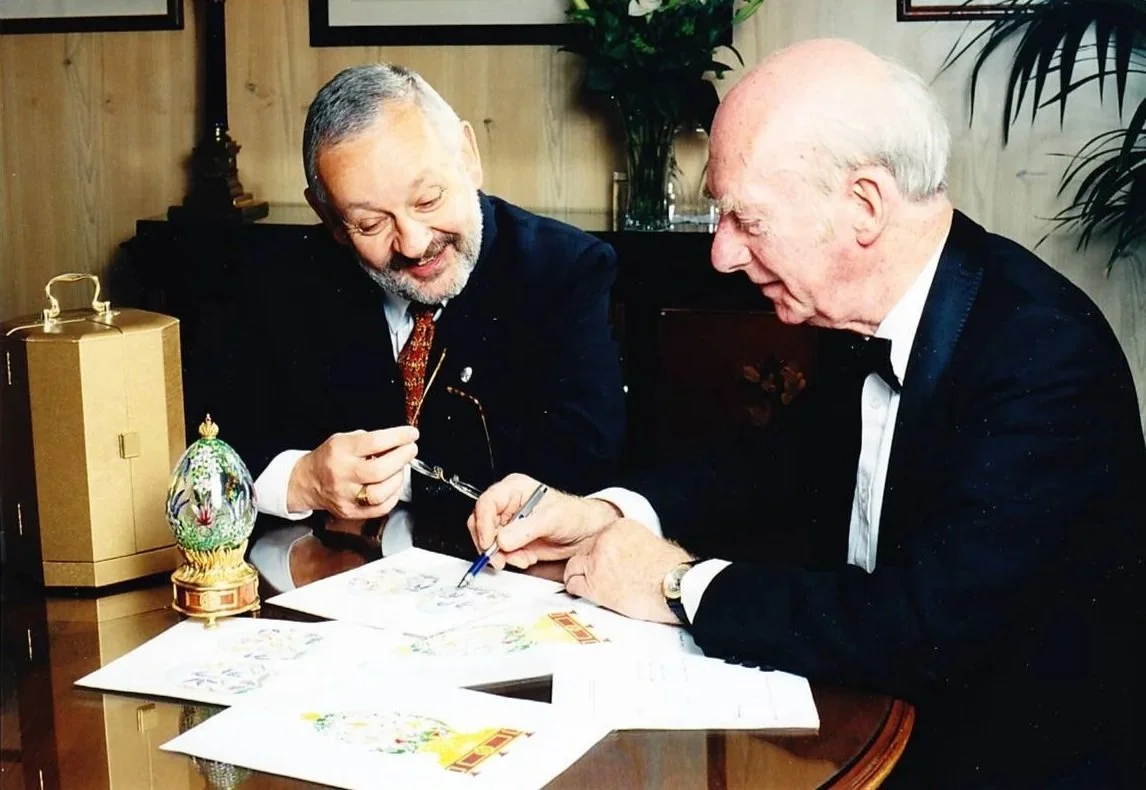
Filmed with the BBC.
Creations THEO FABERGÉ represents a living continuation of one of history’s most distinguished artistic dynasties.
Theo Fabergé — the last grandson of Carl Fabergé — was uniquely both designer and master craftsman. His work was recognised internationally for its excellence in ornamental turning and fine craftsmanship.
From Imperial tradition to modern museum collections, including the Hermitage and the Alexander Palace, each creation carries forward a standard defined by precision, artistry and integrity.
Produced in strictly limited editions, every piece reflects the enduring values of the Fabergé family legacy.
This is not a revival.
It is continuity.
In Royal Hands
The relationship between the Fabergé family and royalty spans generations.
The first Imperial Egg was presented by Tsar Alexander III in 1885, establishing a tradition that would define an era of craftsmanship and courtly patronage.
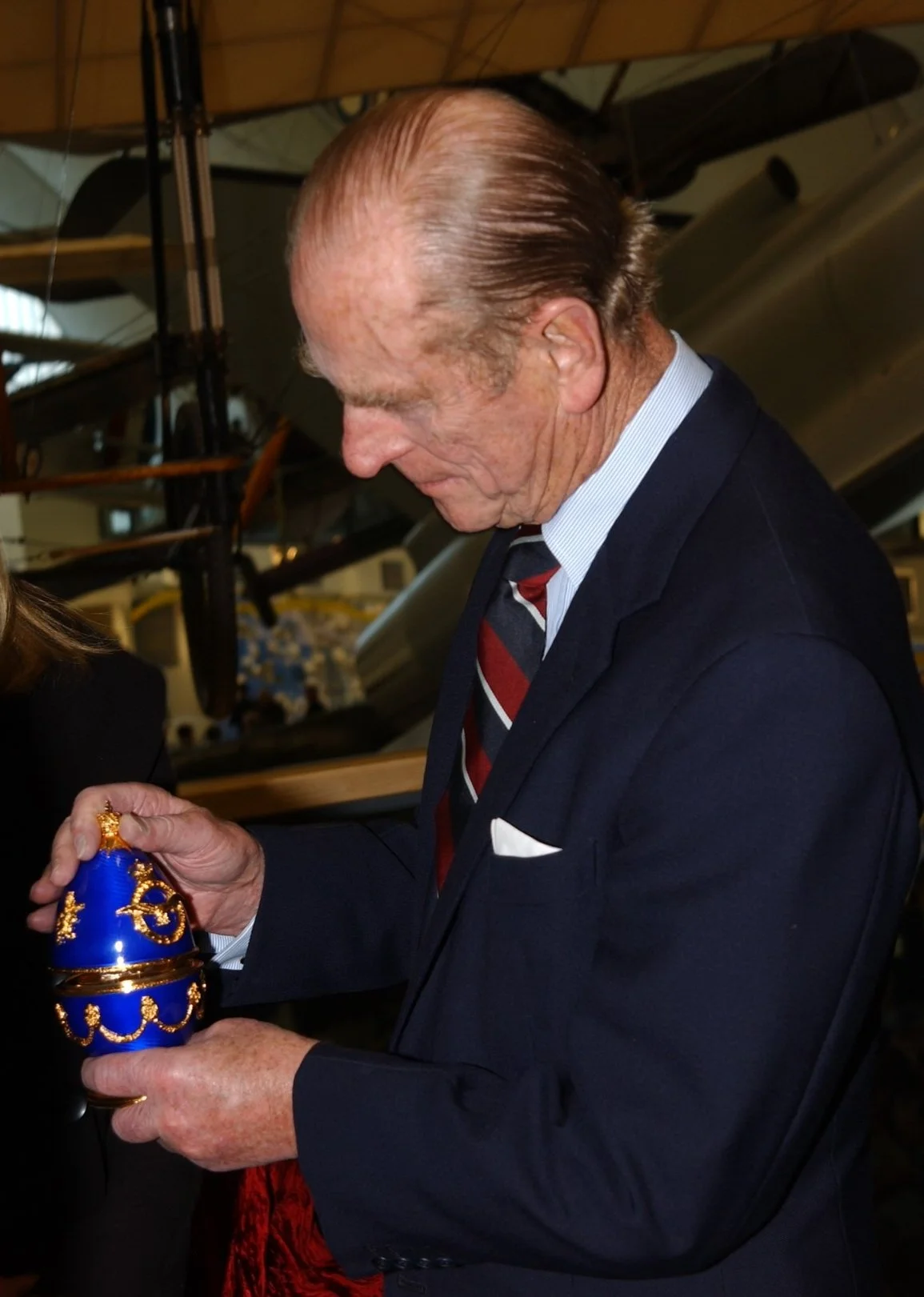
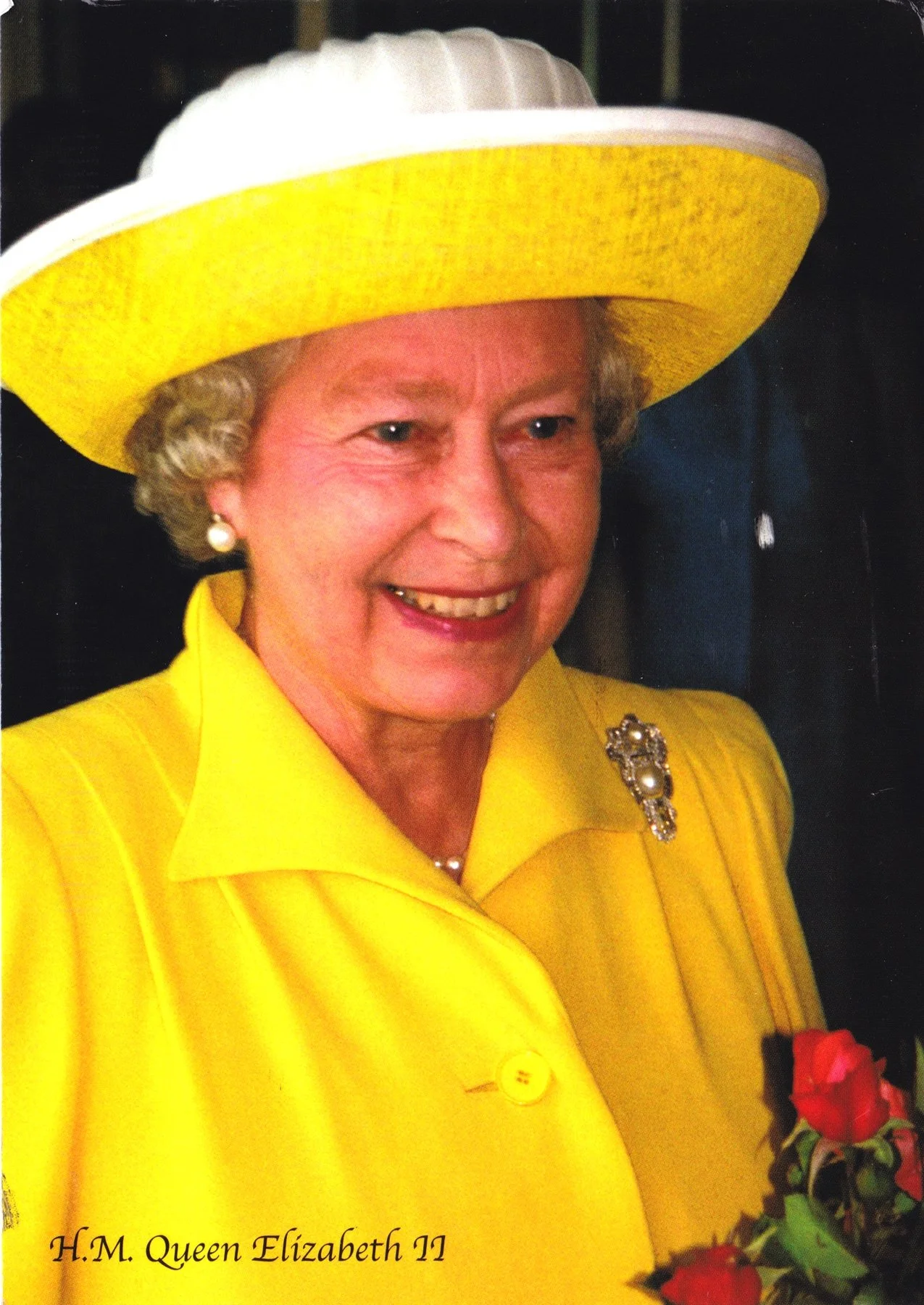
In Britain, the Royal Family today holds the world’s largest collection of historic Fabergé works. Within this lineage, Theo Fabergé created pieces connected to royal occasions, including a prize-winning casket for Her Majesty Queen Elizabeth II’s Silver Jubilee. H.R.H. Princess Alexandra received his Presentation Golden Egg, and his work was admired by H.R.H. the Duke of Gloucester.
These associations were not sought.
They were earned.
Creations THEO FABERGÉ continues to honour that heritage with integrity, discretion and uncompromising craftsmanship.
A Presidential Commission
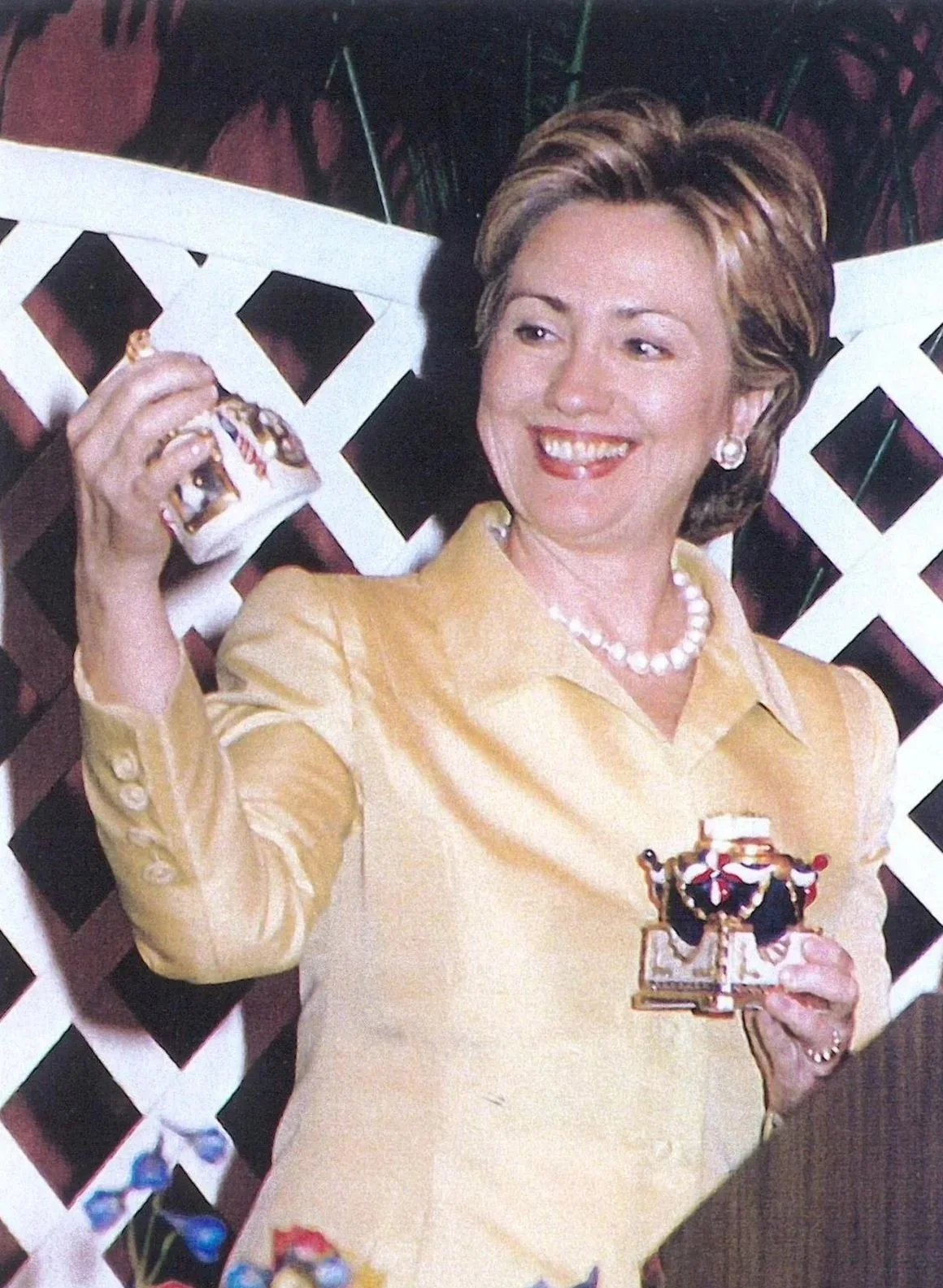
In 2000, Theo Fabergé was commissioned to create the White House Egg, marking the 200th Anniversary of the residence of the President of the United States.
The creation was presented in Washington, where Hillary Rodham Clinton received the piece at the First Lady’s Luncheon.
The White House Egg stands as a symbol of diplomatic heritage — a British-born master craftsman, grandson of Carl Fabergé, honouring one of the world's most recognised institutions.
Executed with the precision and integrity synonymous with Creations THEO FABERGÉ, the commission reflects the enduring international reach of the family legacy — from Imperial Russia to modern Britain, and across the Atlantic to the United States.
This was not a reproduction of the past.
It was history acknowledged at the highest level.

A Curated Overview of Theo Fabergé Creations
-
![Collection of handcrafted Theo Fabergé egg creations featuring gold, enamel and gemstone detailing inspired by the Fabergé tradition.]()
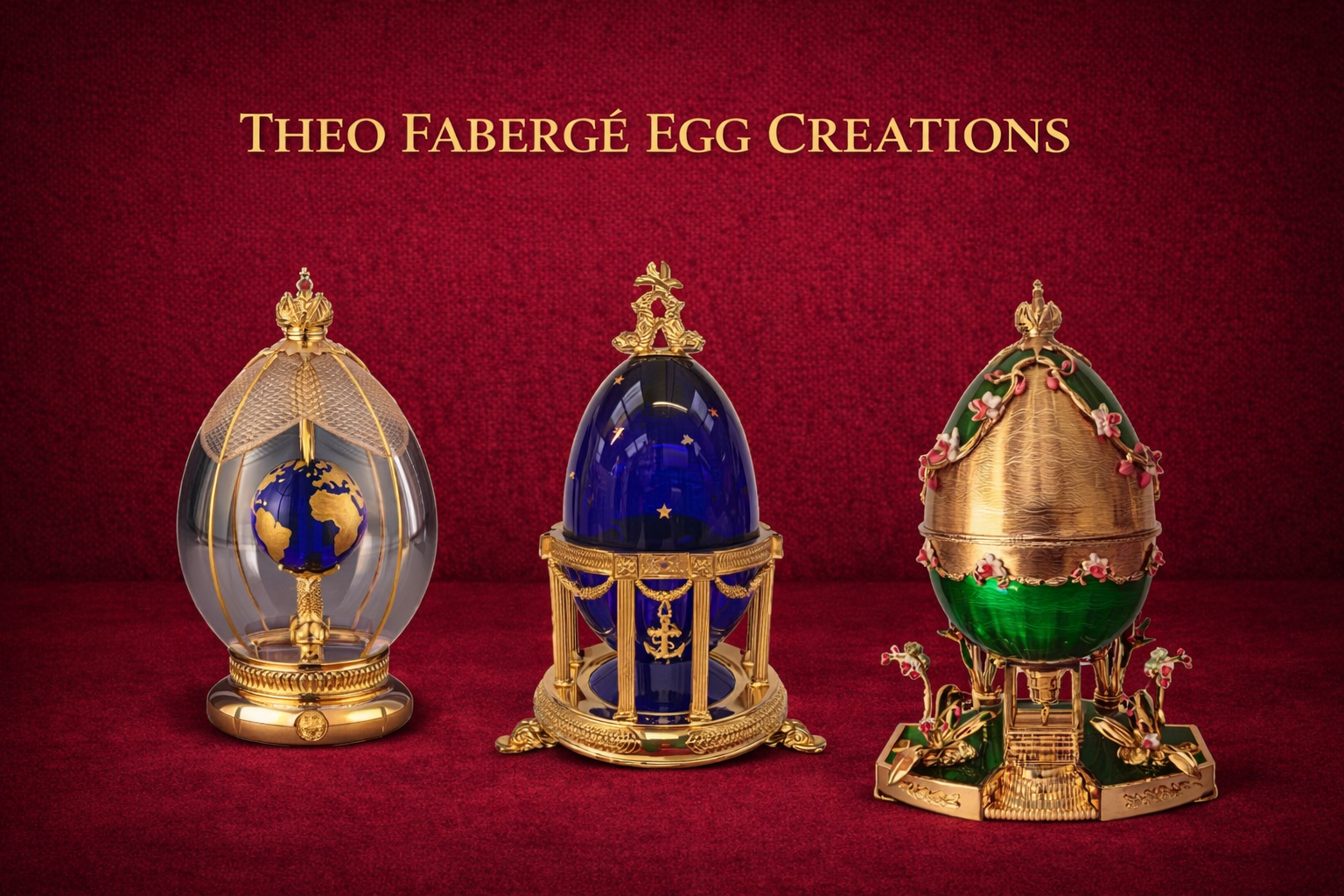
Egg Creations
Museum-level objet d’art inspired by history, nature and symbolism, each Egg concealing a handcrafted surprise, continuing the Fabergé tradition of storytelling and discovery.
-
![Handcrafted Theo Fabergé watches with gold and enamel design reflecting the heritage of Fabergé craftsmanship.]()
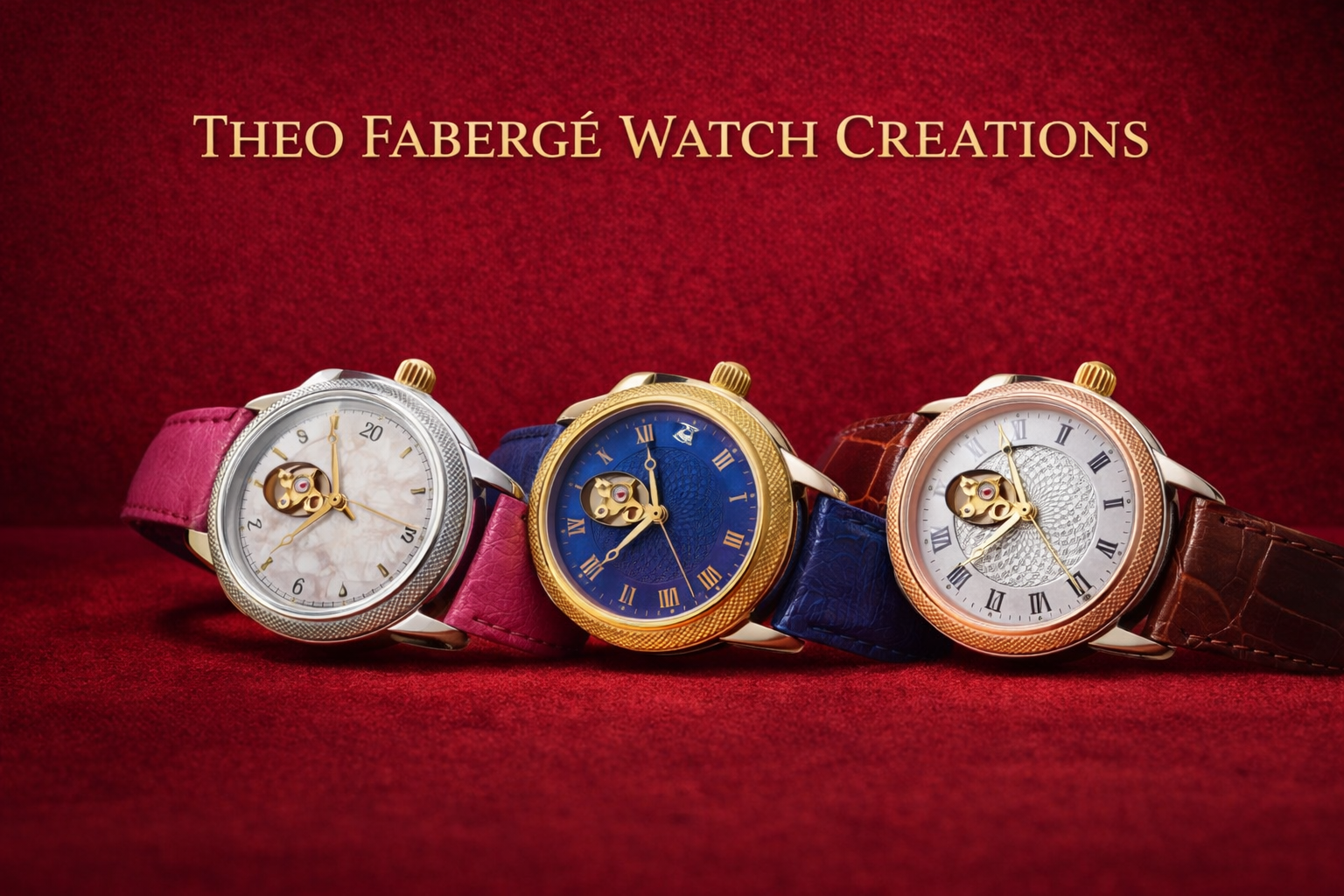
Theo Fabergé Watches
Swiss-made chronometers combining precision engineering with Theo Fabergé’s signature egg motif, ornamental turning, and limited-edition craftsmanship rooted in the Fabergé family legacy.
-
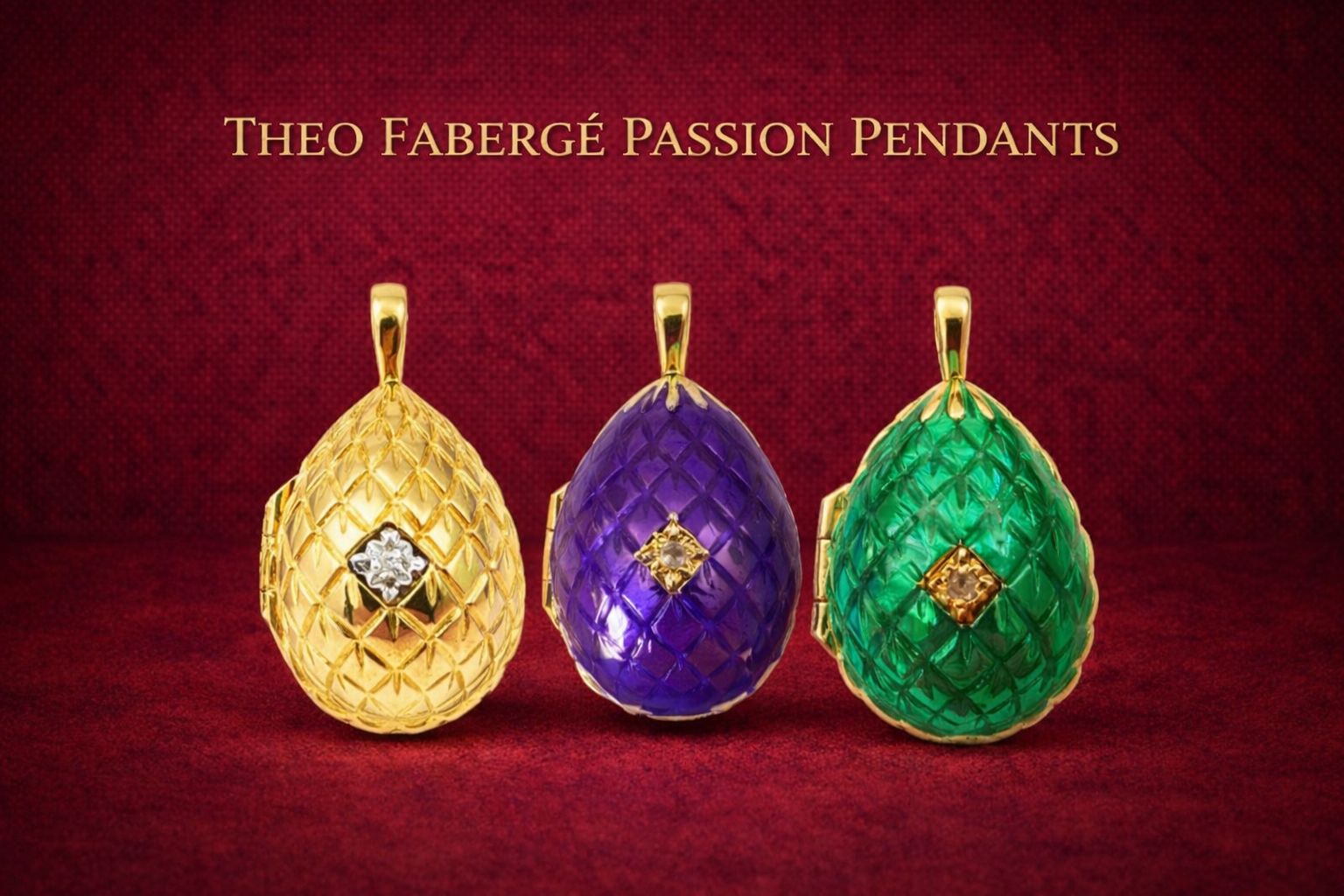
![Theo Fabergé Passion pendants featuring egg-shaped designs with guilloché enamel and gemstone settings.]()
Passion Pendants
Limited-edition wearable Creations opening to reveal intricate surprises, crafted in silver, gold, enamel and jewels, expressing Theo Fabergé’s imagination, symbolism and emotional storytelling.
-
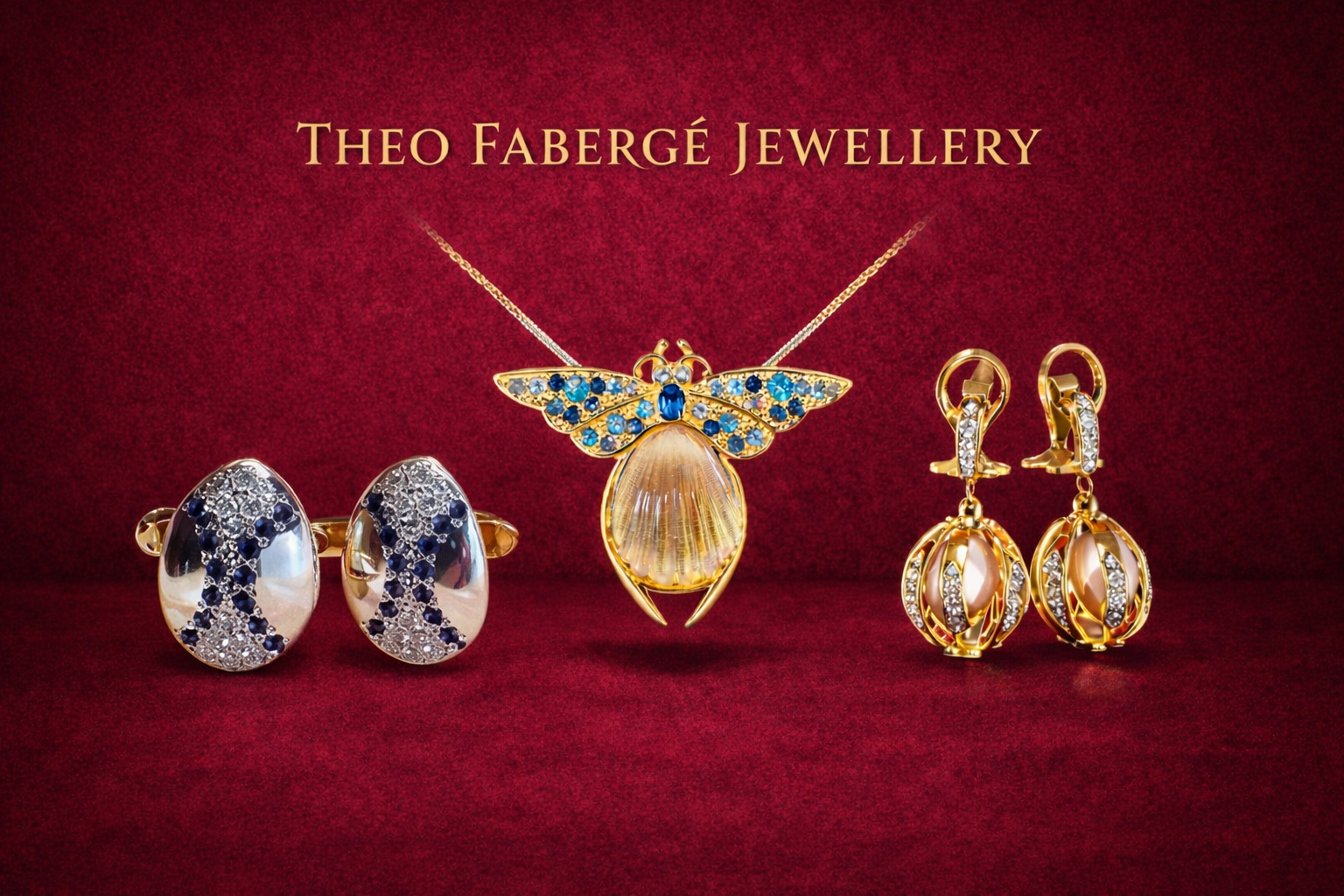
![Theo Fabergé jewellery collection including gemstone earrings, pendant and cufflinks crafted with fine gold and enamel.]()
Jewellery
Distinctive cufflinks, pendants and earrings crafted in precious metals, enriched with fine gemstones and enamel, reflecting heritage, precision and enduring artistic craftsmanship.
-
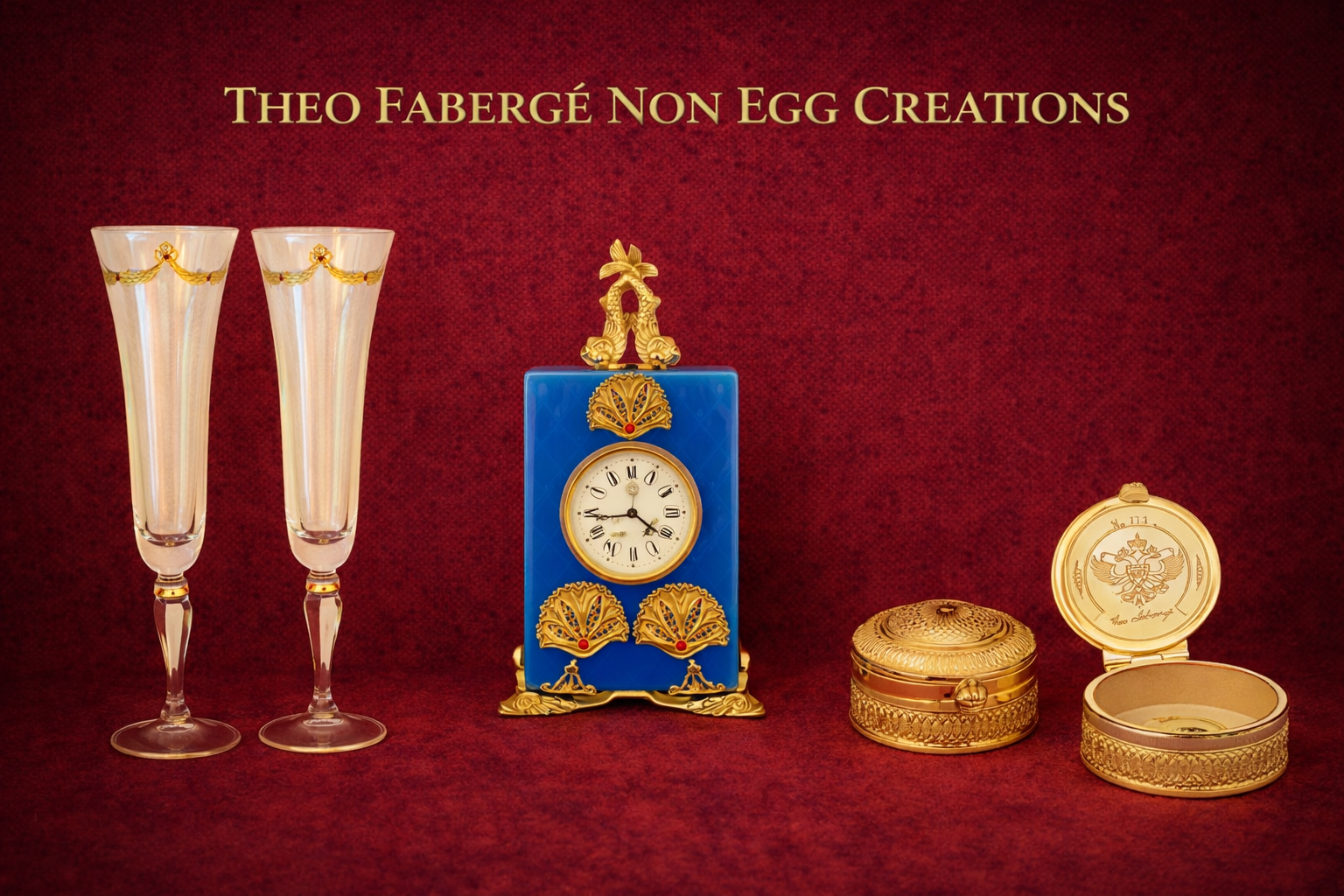
![Selection of Theo Fabergé non-egg creations including enamel objects, clock and decorative pieces crafted in the Fabergé tradition.]()
Non Egg Creations
Exclusive non-egg creations including silk ties, limited-edition books, scarves and presentation boxes, thoughtfully designed to reflect heritage, artistry and refined attention to detail.
A Living Legacy of Craftsmanship
Since the passing of Theo Fabergé in 2007, the spirit of his work has been preserved with unwavering discipline and respect. Today’s craftsmen and women knew Theo personally and, more importantly, understood the exacting standards he demanded—standards not only of finish, but of proportion, balance, mechanical integrity, and artistic intent. These were not guidelines, but absolutes. Every creation produced today follows these exact design standards without compromise, ensuring that each piece remains a true and faithful expression of Theo’s original vision, down to the finest detail.
This commitment extends far beyond aesthetics. It is embedded in the very process of creation—the selection of materials, the precision of engine-turning, the patience required in enamel work, and the discipline to reject anything that does not meet the required standard. Nothing is rushed, nothing is approximated, and nothing is altered for convenience. The result is a collection of creations that are not reinterpretations or modern adaptations, but authentic continuations of Theo Fabergé’s own work.
In accordance with Theo’s philosophy, the company remains intentionally small. It is not driven by scale, but by integrity. Only a limited number of designs are produced each year, allowing each creation the time and attention it deserves. This measured pace ensures that every piece meets the same uncompromising criteria that Theo himself upheld, preserving both rarity and quality in equal measure.
What makes this legacy truly remarkable is the breadth of Theo’s imagination. He left behind an extensive archive of original, unreleased designs—enough to sustain the company for more than two generations. These designs are brought to life gradually, exactly as he envisioned them, allowing each new creation to emerge as both a discovery and a continuation. For collectors, this means that every piece is not only rare, but part of an unfolding story—one that remains entirely authored by Theo himself.
For those who wish to understand the extraordinary level of craftsmanship, precision, and artistry behind each piece, you can discover how a Theo Fabergé masterpiece is created.
A Continuing Commitment to Giving
Since its foundation, Creations Theo Fabergé has maintained a quiet yet enduring commitment to charitable work, reflecting the personal values and ethical principles of Theo Fabergé himself. This philosophy is rooted in the belief that true craftsmanship extends beyond the creation of beautiful objects, carrying with it a broader responsibility to contribute positively to the world.
Over the years, this commitment has seen the company support a wide range of charitable initiatives across different regions and communities. To date, more than 100 charitable organisations have been assisted, spanning a range of causes. Each contribution, whether large or small, has been guided by a genuine intention to make a meaningful difference.
In keeping with the brand’s discreet and refined nature, this charitable work has never been positioned as a promotional activity. Instead, it has remained a natural and integral part of the company’s identity — undertaken quietly, without expectation of recognition. This approach reflects a deeper understanding that true generosity is measured not by visibility, but by impact.
The legacy of Fabergé has always been associated with artistry, innovation, and a profound respect for craftsmanship. Creations Theo Fabergé continues this legacy not only through the objects it creates, but through the values it upholds. Supporting charitable causes is seen as an extension of this heritage — a way of ensuring that the spirit behind each Creation resonates beyond its physical form.
Today, this commitment remains ongoing. As the company continues to create and present its works around the world, it does so with the same guiding principle: that excellence in craftsmanship should be accompanied by integrity, responsibility, and a considered contribution to the wider community.