The Fabergé Family Legacy
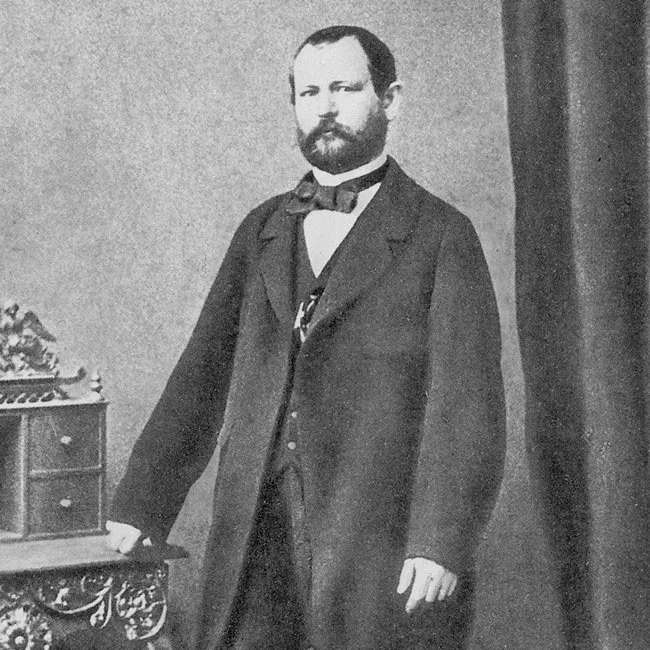
From Gustav Fabergé to Theo Fabergé
A story of artistry, innovation, and enduring craftsmanship from 19th-century Russia to the present day.
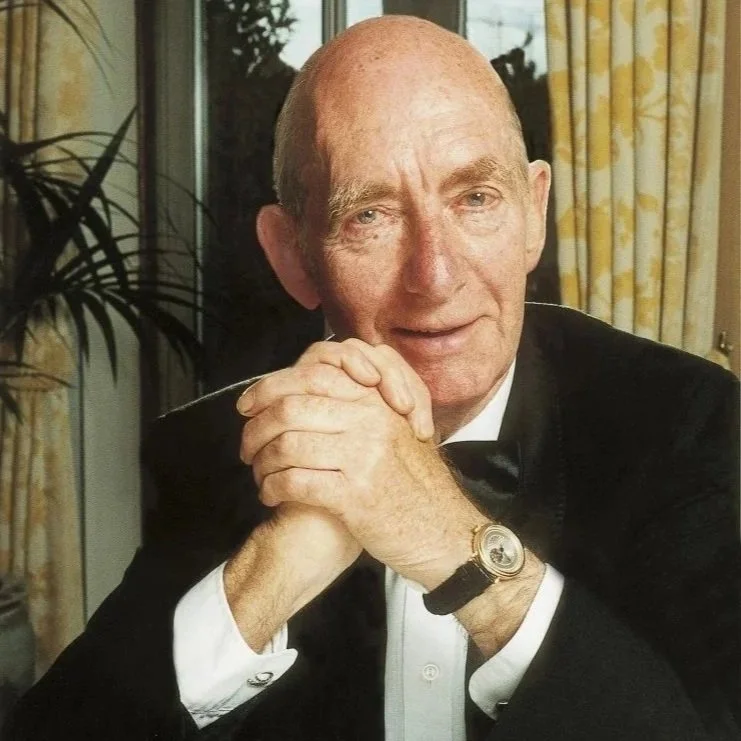
Gustav Fabergé
ANCIENT ROOTS
The Fabergé family is French by origin. Their home was the village of La Bouteille in the Picardy region of Northeastern France. They were Huguenots in a predominantly Roman Catholic country. In 1685, King Louis XIV of France revoked the Edict of Nantes, thereby depriving Protestants of religious freedom and civil liberties.
THE ESCAPE FROM CATHOLIC FRANCE
In the years following 1685, a quarter of a million French Huguenots fled France to settle in England, the Netherlands, the fledgling United States, and Russia.
The Fabergés first went to Schwedt an der Oder in eastern Germany. Then, in 1800, they moved to Pernau in the Russian Baltic province of Livonia, today part of Estonia.
Over the previous 100 years, Czar Peter the Great’s influence and cosmopolitan experience had made Russia an attractive country for craftsmen. Catherine the Great’s creation of her Winter Palace in St. Petersburg on the banks of the Neva absorbed artistic creations from the entire civilised world, and her reign also saw religious tolerance enshrined in Russian law. The Imperial court’s language was French. This fortunate confluence led to the arrival of Gustav Fabry, born in 1814 in the Russian capital, St. Petersburg.
ESTABLISHMENT IN RUSSIA
Gustav’s father, Peter, had been a goldsmith practising his craft in Wurtemburg under the patronage of Catherine the Great. Gustav was apprenticed to Andreas Ferdinand Spiegel. After the apprenticeship, he joined the firm of Keibel, celebrated for reworking the Imperial Russian Crown Jewels in 1826. In 1841, Gustav is recorded as ‘Master Goldsmith’. The following year, he opened the first Fabergé shop on Bolshaya Morskaya Street, St. Petersburg. The same year, he married Charlotte Jungstedt, the daughter of a Danish artist. Four years later, in 1846, the couple’s first child, Peter Carl Fabergé, was born.
CARL FABERGÉ
Peter Carl went to school at the fashionable Gymnasium of St Anne’s. His brother Agathon was born in 1862, 16 years after him. Agathon’s birth followed closely on the heels of Gustav’s retirement at 46; he moved to Dresden, leaving the family firm in the hands of two managers and confident that his elder son would take an interest.
Carl had attended a business school in Dresden and had been apprenticed to a jeweller in Frankfurt. He had travelled to Italy and to Paris and to England – the latter largely for commercial purposes and to learn some of the language. He returned to live in St Petersburg and took control of the House of Fabergé in 1870, at age 24. Brother Agathon joined the firm in 1882, aged 20.
THE ENGLISH CONNECTION BEGINS
As the family firm prospered, Carl opened a branch in Russia’s second-largest city, Moscow. Three English brothers, Allan Arthur and Charles Bowe, managed the Moscow branch. Carl’s father Gustav died in 1893. Then Carl’s brother, Agathon, died at age 33 in 1895. But the Fabergé firm continued to prosper. The first Imperial Egg, given in 1885 as an Easter gift from Czar Alexander III to his wife, created a tradition that made the Fabergé name legendary. Just 50 Imperial Easter Eggs were created.
Important among many other landmarks was the Duchess of Marlborough’s custom in 1901/2. Arthur Bowe was relocated from the Moscow branch to open a London branch in 1904.
When the partnership with Bowe ended, Carl sent his youngest son, Nicolas, to join Henry Bainbridge (an acquaintance of Bowe’s uncle) in opening the first branch at 48 Dover Street, Mayfair, in 1906. Subsequently, moved to Bond Street, and all Fabergé trade outside Russia was channelled through the England branch. It closed in 1915, when the Tsar ordered his subjects to repatriate all capital held outside Russia to support the War effort.
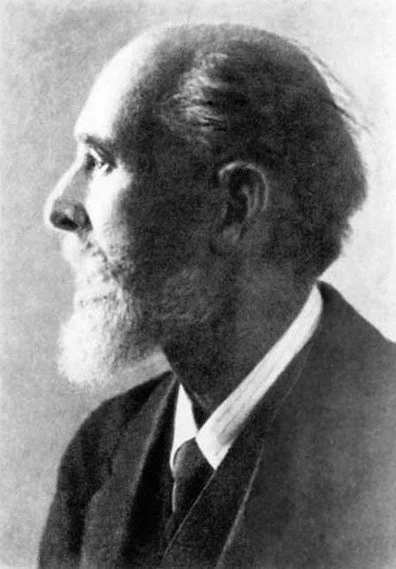
Peter Carl Fabergé
THE ESCAPE FROM REVOLUTIONARY RUSSIA
A revolutionary committee took over the Russian parent company in 1917, and that same year the final stock items in England were sold off.
Peter Carl, with the help of the British Embassy, escaped from Russia and, via Riga, Berlin, Frankfurt, Hamburg, and Wiesbaden, finally reached Lausanne in Switzerland. Here, he settled at the Bellevue Hotel with his wife, who had escaped separately in the company of her eldest son Eugene. Carl died on 24 September 1920; Augusta, his wife, survived until 27 January 1925.
CARL’S SONS EUGÈNE AND ALEXANDER
Carl’s first and third sons, Eugène and Alexander, moved to France in 1924. Eugène died childless in 1960.
By his first marriage, Alexander had a son also named Alexander; he pursued a distinguished career as a geneticist and died childless in 1988.
CARL’S SON AGATHON
Carl’s second son, Agathon, settled in Finland and studied philately. Agathon’s first wife settled in Switzerland; she had a guest house, and later a chicken farm, and two of her sons emigrated to Brazil. Agathon’s third son worked for his uncles in Paris and then returned to work for the jeweller Lombarde in Geneva; he died in 1982, leaving an unmarried daughter, Tatiana, born in 1930. The fourth son, Igor, died childless in 1982. The fifth son, Rurik, died childless around 1978.
CARL’S SON NICOLAS FABERGÉ
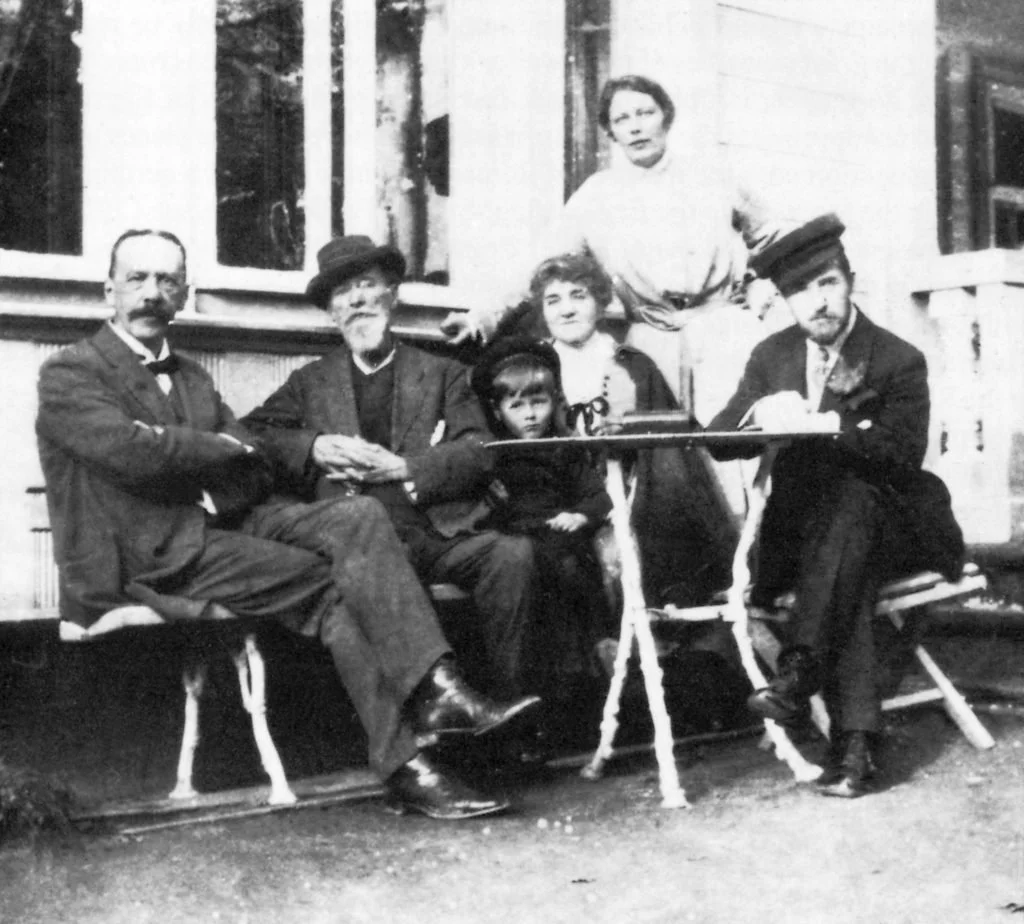
Nicolas Fabergé Carl, Carl’s fourth surviving son, was in England during the Russian Revolution and remained there. He established himself as a photographer. Married to Marion Tattershall, who bore no children, he also had a relationship with his photographic model Dorise Claddish, whom he had met when they worked together at the Bond Street branch of Fabergé. Dorise and Nicolas Fabergé had a son, Theo, whom his father named Theo Fabergé in 1922.
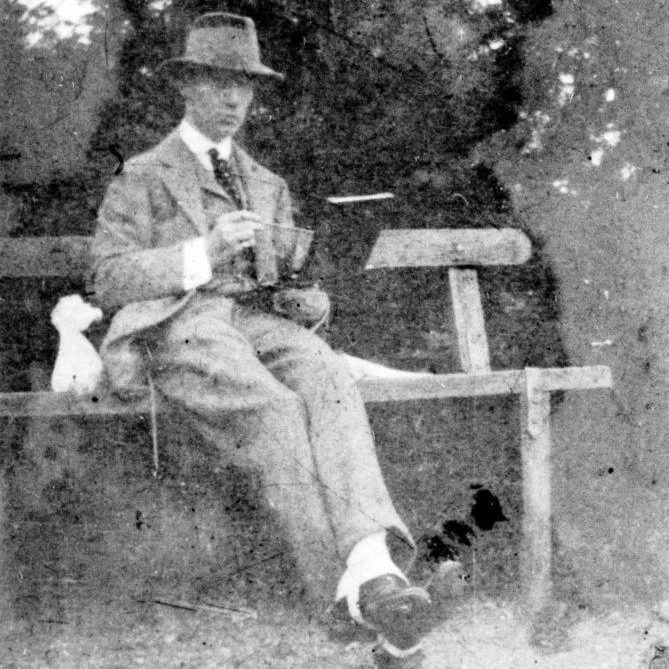
The only photo known to exist of Nicholas Fabergé
THEO FABERGÉ, GRANDSON OF CARL FABERGÉ
Born in London in 1922, Theo Fabergé was the son of Nicholas Fabergé and a grandson of Peter Carl Fabergé. He did not discover his true identity until January 1969, after decades spent developing the precision-engineering skills that would later shape his work as a designer and master craftsman. Through ornamental turning, silversmithing and original limited-edition designs, Theo created a distinct English chapter in the family’s creative history. The St. Petersburg Collection was established in 1984 to bring his work to a wider audience, and his artistic legacy continues today through Creations Theo Fabergé.
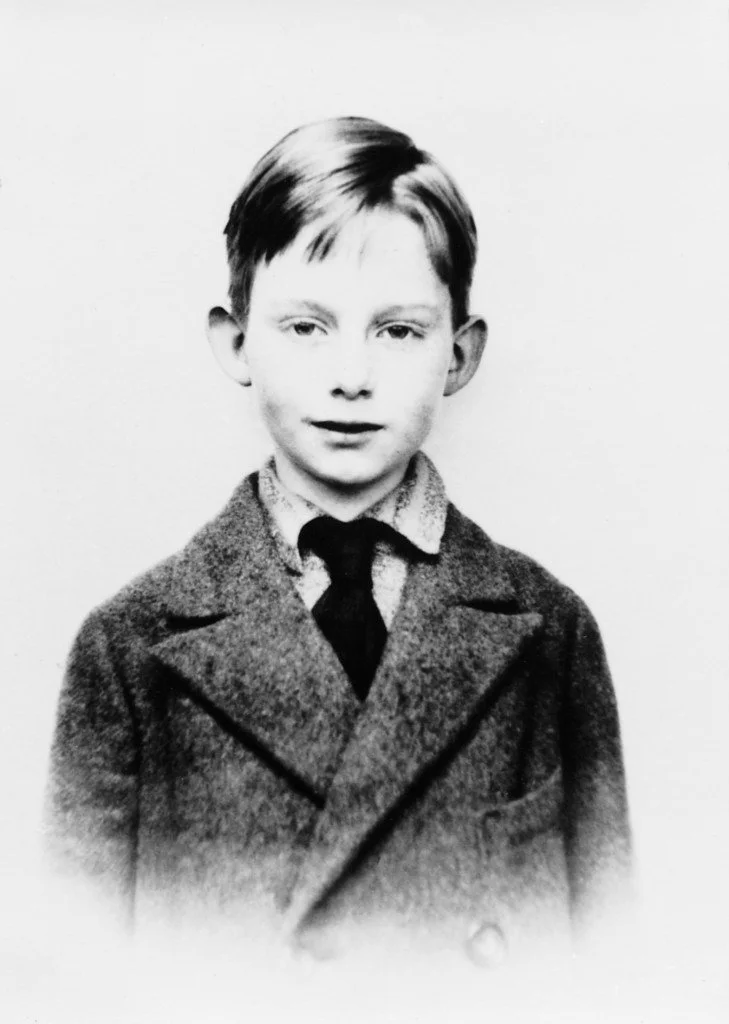
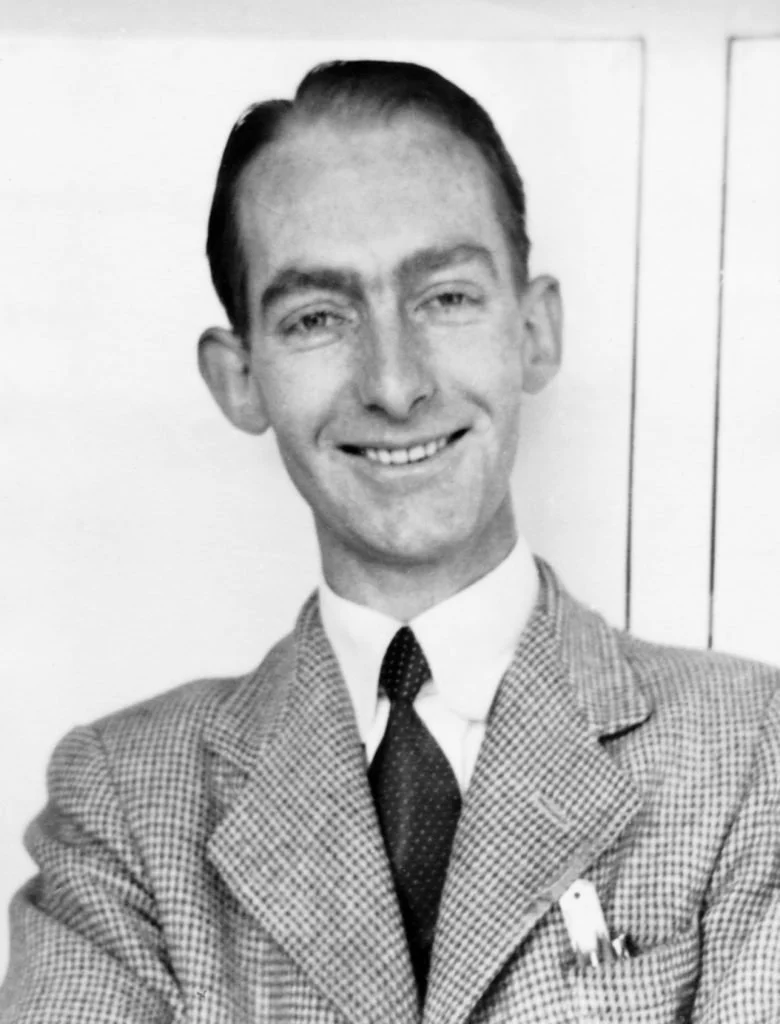
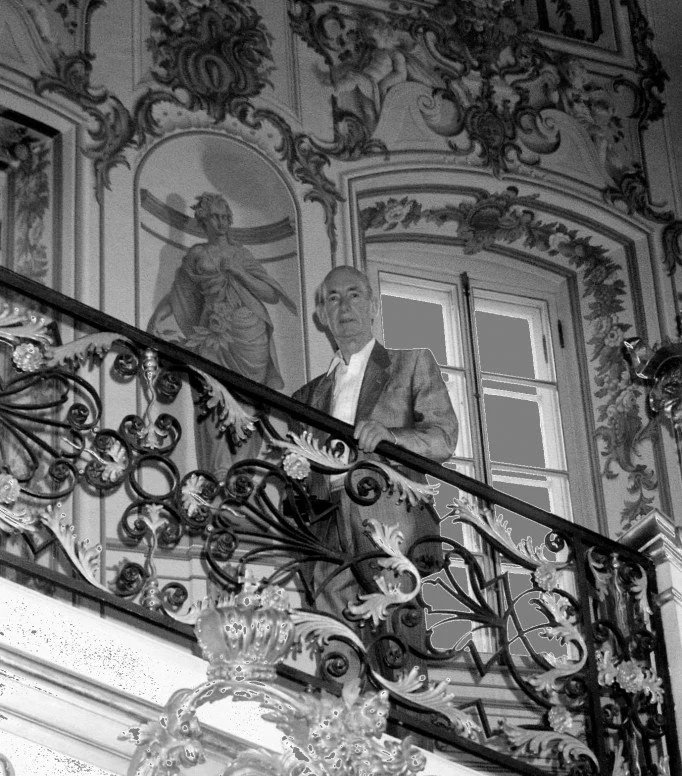
The life of Theo Fabergé
NOTE ON COPYRIGHT AND THE TRADEMARK “Fabergé”
After leaving Russia following the Revolution, the Fabergé family was scattered and had lost control of its business. The American oil billionaire Armand Hammer collected many Fabergé pieces during his business ventures in communist Russia in the 1920s. Konstantin Akinsha, writing in Art News, June 2004, says, “Hammer had been fortunate: in Moscow, he had received not only imperial Easter eggs and other objects but the stamps of the company with which every object made in the workshop had been marked. Thus, he was equipped to produce Fabergé forgeries in America. ”
“In 1937, Hammer’s friend Samuel Rubin, owner of the Spanish Trading Corporation, which imported soap and olive oil, closed down his company because of the Spanish Civil War and established a new enterprise to manufacture perfumes and toiletries. He registered it at Hammer’s suggestion as ‘Fabergé Inc. ’
Eugene and Alexander two Fabergé sons who lived in Paris and ran a small workshop called Fabergé et Cie learned about the existence of Rubin’s company only after the end of World War 11 but their attempts to sue Rubin were unsuccessful. According to documents in the Fabergé private archive which is in the care of Tatiana Fabergé the artists’ great-grand-daughter and research by Skurlov Eugene and Alexander didn’t have the money to hire American lawyers and agreed to a settlement proposed by Rubin who paid them $25 000 for the right to use the name. Rubin later sold his company to Unilever which now distributes the right to use the name of the jeweler to the czars.
Theo Fabergé was Carl Fabergé’s last grandson. Theo Fabergé designed exclusively for the St. Petersburg Collection. His products are © St Petersburg Collection.
The sponsor mark ‘TF’ is registered to record the work of Theo Fabergé in precious metals. This continues the tradition of Carl Fabergé’s hallmark ‘CF’, which was first registered in London in 1911.
Theo Fabergé passed away peacefully on 20 August 2007 in his 85th year.
All designs and creations by Theo Fabergé for the St Petersburg Collection are © copyright St Petersburg Collection 1984-2010
The complete history of Fabergé is presented in our St. Petersburg Collection book, titled Theo Fabergé and the St. Petersburg Collection. This book is not available in bookstores but is available wherever the Collection is available.